"Welcome to your sanctuary for intentional living. ♡"

Neurowellness: Unlock Your Brain's Power for Profound and Lasting Calm
For too long, we have been told to 'just relax' as if peace were a simple switch we could flip at will. However, modern neuroscience reveals a much deeper story: our brain and autonomic nervous system are constantly processing our environment in ways that bypass our conscious mind. Neurowellness proposes an active, informed, and compassionate approach—understanding and influencing the very biology of your calm through vagus nerve stimulation and neural resilience.
3/5/20263 min read
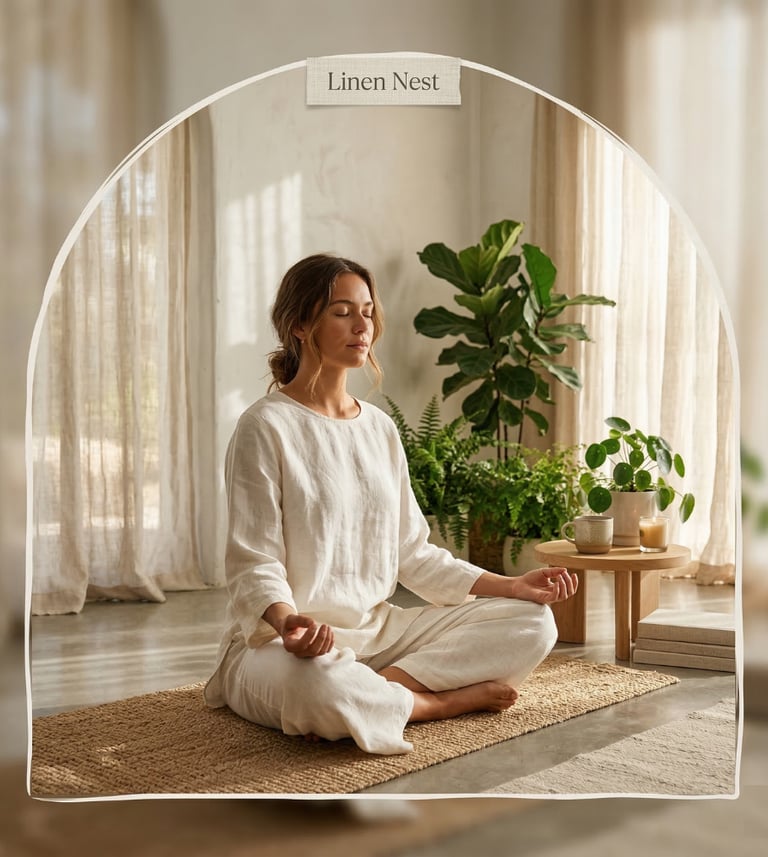
"For too long, we have been told to 'just relax' or 'not overthink,' as if peace were a simple switch we could flip at will. However, modern science reveals a much deeper story: our brain and autonomic nervous system are constantly processing information, reacting to our environment in ways that often bypass our conscious mind. Chronic stress can trap us in a relentless 'fight or flight' cycle, making anxiety and overwhelm feel like permanent residents in our daily lives. Neurowellness proposes a more active, informed, and compassionate approach—understanding and influencing the very biology of your calm.
In reality, neuro-resilience that actually works is much simpler—and far more meaningful than any complex therapy could ever capture. It is not about perfection, nor is it a luxury reserved for a few; it is about the quiet, intentional act of creating simple daily practices that support your nervous system's well-being. It is an invitation to listen to your own biological needs and to honor the space you occupy in the world. When we strip away the noise of what we 'should' be doing, we find that the most powerful neurological care is often the most humble and consistent.
Many wellness experts now emphasize a vital truth: a balanced and calm brain flourishes through consistency rather than complexity. It is not the grand, occasional gestures that transform our neural pathways, but the simple rituals practiced regularly that have a profound effect on how we experience our daily existence. These consistent acts of kindness toward our nervous system act as anchors, helping us navigate the demands of modern life with more grace and presence. They remind us that our mental well-being is a garden that flourishes with daily attention, not a project to be finished.
Instead of trying to change everything at once or following a rigid plan, the most effective and gentle approach is to focus on simple habits that restore your energy and create space for reflection. By embracing the power of the small, you allow yourself the grace to slow down and reconnect with what truly matters biologically. It is in these unhurried moments of intentional care that we begin to build a brain that feels as nourished on the inside as it looks on the outside.
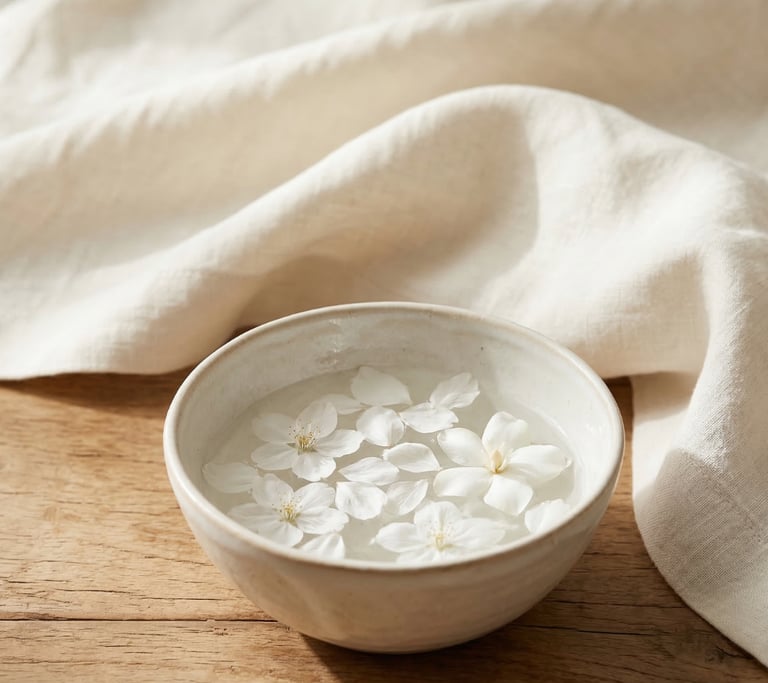
Why Neurowellness Matters More Than Ever
Modern life often demands constant attention, productivity, and availability, keeping our nervous system in a state of high alert. Without intentional moments of biological rest, it becomes easy to feel overwhelmed or disconnected from our own innate sense of safety. Neurowellness helps regulate stress, improve emotional resilience, and strengthen our connection with ourselves. It reminds us that caring for our neurological well-being is not selfish—it is essential for a vibrant life.
Simple Neurowellness Rituals That Make a Difference
• Practicing deep, rhythmic breathing for five minutes
• Using cold water splashes to stimulate the vagus nerve • Prioritizing moments of absolute digital silence
• Connecting with natural light to regulate your brain
• Setting gentle boundaries with your time and energy
These actions may appear small, but they create space for neural balance and renewal in everyday life. At Linen Nest, we believe that neuro-care is not something that happens occasionally. It is a daily practice of choosing what nourishes your body, mind, and emotional well-being.
Neurowellness does not need to be complicated to be powerful. When we give ourselves permission to slow down—even for a few moments—we reconnect with the neural pathways that truly support our well-being. Sometimes the most meaningful self-care begins with simply listening to what your brain and body need.
Sources / References: Sapolsky, Robert M. (2004). Why Zebras Don't Get Ulcers. / Porges, Stephen W. (2011). The Polyvagal Theory. / Van der Kolk, Bessel A. (2014). The Body Keeps the Score. / Siegel, Daniel J. (2007). The Mindful Brain. / Hanson, Rick. (2013). Hardwiring Happiness. / Tang, Yi-Yuan, Hölzel, Britta K., & Posner, Michael I. (2015). The Neuroscience of Mindfulness Meditation

Looking for more inspiration?
Explore our wellness articles and discover simple ideas
to create a calmer, more balanced daily routine.


If this article inspired you, these carefully selected books can help you deepen your self-care practice and create more balance in your daily life.